


Last week, I wrote about my management philosophy. And I asked my dad to write about his experiences.
Every other of my dad's articles will be accessible through a paywall. This is one of them.
If you enjoy our work and would like to support us, please consider becoming a paid subscriber. For just $5 per month or $50 per year, you can enjoy full archives of our writings and help sustain our efforts.
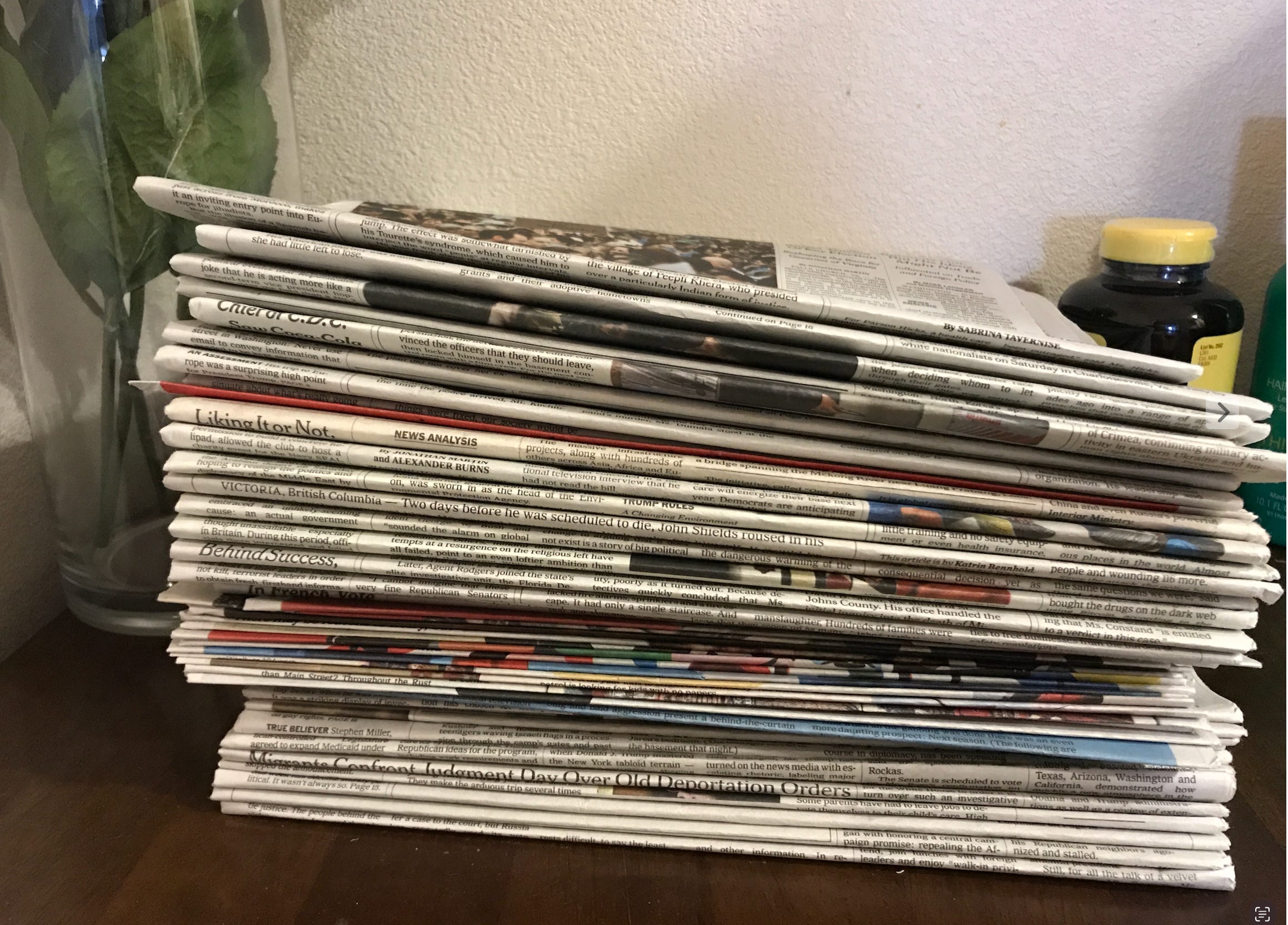
What is required of a newspaper reporter is, among other things, to do background research, conduct in-person interviews and visit sites of action before starting to write. These fundamental journalistic rules, however, are often ignored when a reporter is rushed to come up with an article.
That was often the case with me and other young reporters at the Korea Herald, an English-language daily. The editors, however, rarely reprimanded us when we came with poorly written articles. They were well aware the daily was demanding what the reporters could not deliver and pursuing an ambitious goal which it could hardly achieve with a shoestring budget.
The paper aimed at providing all kinds of information needed by policymakers and other influential people in foreign countries as well as foreigners residing in South Korea. Designating itself as South Korea’s “window to the outside world,” it committed itself to covering as many newsworthy events and issues as possible.
If my daughter, Sue, had known, she would have said the Korea Herald was going against one of her work rules: Underpromise, overdeliver.

 |
|